Decoding the epigenetic logic of hormone-driven cancers
Single-cell multiomics and proteomics, decoding how hormone response varies cell by cell in breast and prostate cancer — toward earlier detection and treatment.
OHSU's Knight Cancer Institute in Portland is home to a small group studying the epigenetics of hormone-driven cancers, with methods built in the lab: RIME, scNMT-seq and TITAN.
Decoding epigenetic and transcriptional regulation, for earlier detection and treatment.
Three areas of focus
Methods built in the lab
Single-cell nucleosome, methylation and transcription sequencing
Parallel profiling of the transcriptome, chromatin accessibility, and DNA methylation, all in the same single cell.
Read the methodRapid immunoprecipitation mass spectrometry of endogenous proteins
Rapid, robust study of protein complexes (in particular chromatin and transcription factor complexes) by mass spectrometry.
Read the methodTopic inference of transcriptionally associated networks
A topic-modeling machine learning approach that identifies transcriptional cell states in single-cell RNA-seq data.
Read the methodFeatured publications
Multi-omics profiling of mouse gastrulation at single-cell resolution
Argelaguet*, Clark*, Mohammed* et al. (co-first author)
Progesterone receptor redirects ERα chromatin binding in breast cancer to elicit good clinical outcome
Mohammed et al.
Estrogen regulates divergent transcriptional and epigenetic cell states in breast cancer
Ors, Chitsazan, Doe, Mulqueen et al. (from the lab)
Rapid Immunoprecipitation and Mass Spectrometry of Endogenous Proteins (RIME)
Mohammed et al. (RIME)
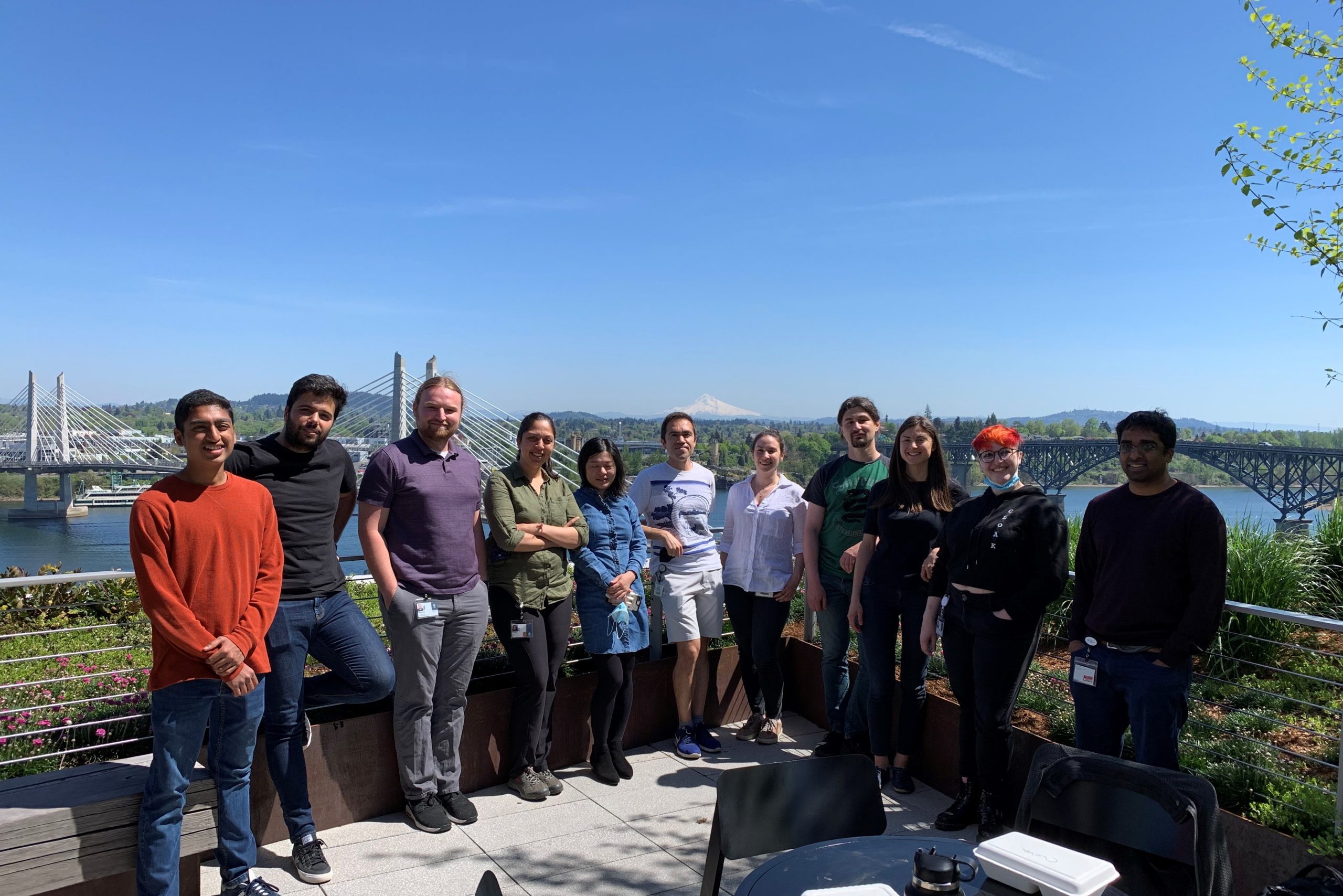
The people behind the work
See how to join the lab — we recruit at all levels.